You, But Make It a Cult: How Netflix's Algorithm Quietly Sorted You Into a Tribe of Strangers Who All Love the Same Weird Danish Crime Show
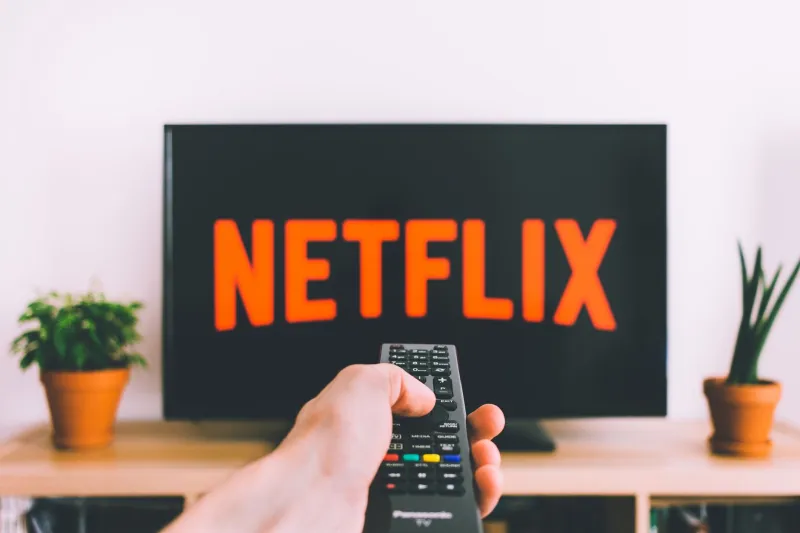
You didn't ask to become a devotee of a subtitled Icelandic slow-burn thriller about a retired fisherman solving cold cases in a town of 200 people. And yet, here you are — quoting it at dinner parties, getting mildly offended when someone hasn't heard of it, and feeling a bone-deep kinship with the three other people in your office who somehow also watched all six seasons in a weekend.
Netflix calls this "personalized recommendations." We call it algorithmic cult recruitment, and we have questions.
The Sorting Hat, But Make It Silicon
Every new Netflix subscriber starts in roughly the same place: a vaguely overwhelming grid of content, a couple of obvious blockbusters, maybe a reality show about people dating in pods. Normal stuff. But within a few weeks of watching, something shifts. The algorithm begins to know you — or at least a statistically useful approximation of you — and it starts steering.
This is where things get interesting. Netflix's recommendation engine doesn't just suggest things you might like. It funnels you toward increasingly niche content clusters, narrowing your viewing universe into a tightly curated bubble that feels, if you're being honest, kind of chosen. Like destiny, but with a 94% match score.
Researchers have identified that Netflix operates on a collaborative filtering model — which is a fancy way of saying it finds people who watch what you watch and then shows you what they watched next. On paper, this sounds harmless. In practice, it means millions of Americans have been quietly sorted into content micro-tribes so specific they might as well have matching robes.
The 47 Micro-Cults (Give or Take)
We're not saying Netflix sat in a boardroom and said, "What if we just made cults?" But we're not not saying that either.
Consider the evidence. There are people — entire communities of them — who discovered the same obscure British baking competition, the same niche anime about competitive karuta card players, the same Portuguese family drama with one English-speaking character who's inexplicably always eating soup. These viewers didn't find each other on purpose. The algorithm introduced them, indirectly, by giving them all the same content at roughly the same time.
The result? Subreddits. Discord servers. Facebook groups with names like "Fjord Noir Fanatics" that have 40,000 members and a strict no-spoilers policy enforced with the energy of a homeowners association run by someone who used to be in middle management. These people have developed their own terminology, their own hierarchies of taste ("season two is obviously superior and if you disagree you didn't understand the themes"), and their own rituals — like rewatching the pilot every anniversary of the show's premiere.
If that's not a cult, someone needs to update the definition.
Intentional or Accidental? (The Question That Keeps Us Up at Night)
Here's where the conspiracy hat goes on — gently, because we're professionals.
Netflix has a vested interest in keeping you watching. Not just watching something, but watching with the kind of emotional investment that makes you tell your friends, post about it online, and feel personally victimized when the show gets canceled. Passionate, tribal viewers are the best free marketing machine ever invented. And the algorithm, whether by design or beautiful accident, is exceptional at manufacturing that passion.
The more niche the content, the more ownership viewers feel over it. Nobody feels special for loving Stranger Things — too many people watched it. But the seventeen people who found that three-episode Belgian mockumentary about competitive cheese aging? Those people have identity wrapped up in their discovery. They are the chosen ones. The algorithm chose them.
Is Netflix deliberately engineering this sense of exclusivity to build loyalty? Or is it just math, doing math things, accidentally producing the sociological conditions for a cult? The answer is probably "both, and also neither, and also we'll never actually know because the algorithm is proprietary."
The Testimony of the Algorithm-Touched
We spoke to several Americans who believe — with varying levels of irony — that Netflix's recommendations changed their lives.
One woman in Austin described being "personally targeted" by the algorithm after a bad breakup. "It knew," she said, with the quiet certainty of someone who has made peace with being watched. "It gave me a show about a woman who moves to rural France and starts a vineyard. I cried for four days and then I booked a trip to Napa. The algorithm healed me."
A man in Cleveland told us the algorithm introduced him to a Finnish documentary series about competitive sauna culture, which led him to a Reddit community, which led him to a Discord server, which led him to driving fourteen hours to a Finnish-American cultural festival in Minnesota where he met his current girlfriend. "We both had it in our Top Picks," he said. "What else do you call that except fate?"
What else, indeed. We'd call it data-driven matchmaking dressed up as mystical convergence, but we also believe the algorithm might be listening, so.
What To Do If You've Been Sorted
First: don't panic. Micro-cult membership has its perks. You have community. You have shared language. You have something to talk about at parties that immediately identifies your people — the three folks in the room who also watched that show will find you, eyes lighting up, moving toward you like heat-seeking missiles of parasocial connection.
Second: maybe examine your watch history with fresh eyes. Notice the pattern. See the funnel. Understand that somewhere in a server farm, a machine has built a model of your soul out of viewing data and is using it to gradually narrow your cultural world into an increasingly specific pocket universe.
Third: decide how you feel about that. Some people find it comforting. Some find it unsettling. We find it deeply, hilariously on-brand for an era in which "community" is something an algorithm builds for you while you sit on a couch in your pajamas eating cereal at 11 PM.
The Bottom Line
Netflix did not set out to build forty-seven micro-cults of intensely devoted niche content consumers who feel spiritually connected to strangers through the shared experience of watching the same subtitled series about competitive Scandinavian anything. Probably.
But here we are. The algorithm sorted us. We found our people. We have opinions about season finales that feel, frankly, religious in their intensity.
We believe everything. Mostly. And we believe the Recommendation Engine knows exactly what it's doing.
Top Picks for you: This article. And maybe that Norwegian reindeer show. You seem like the type.